
Hamza Saood

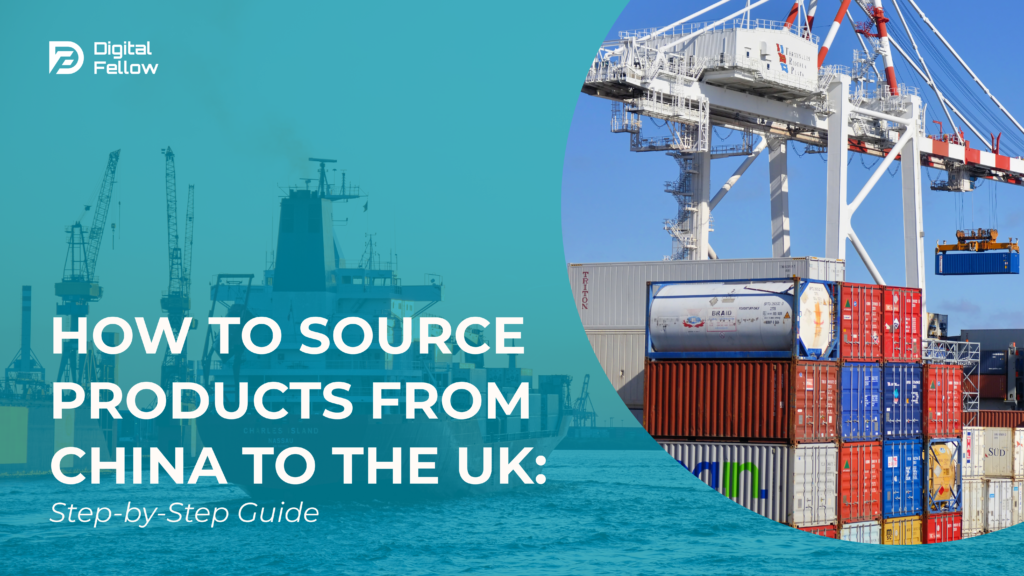
How to Source Products from China to the UK: Step-by-Step Guide?

How to Source Products from China to the UK: Step-by-Step Guide?

Sourcing products internationally has become one of the most effective ways for businesses to reduce costs and increase profit margins. Many UK businesses rely on China as a key manufacturing hub due to its competitive pricing and wide product availability. If you’re planning to source products from China to the UK, this guide will walk you through each step, helping you avoid common mistakes and build a reliable supply chain.This process not only helps businesses stay competitive but also opens opportunities to scale faster in the global market. Understanding each stage of sourcing ensures smoother operations, reduced risks, and better profit control. With the right strategy, importing from China can become a long‑term advantage for your UK business growth. Why Source Products from China? China is known as the world’s manufacturing powerhouse, offering a vast range of products across industries. From electronics to fashion and home goods, businesses can find almost anything at competitive prices. For UK sellers, sourcing from China provides better margins, scalability, and access to global markets. It also allows small businesses to compete with larger brands by reducing production costs. It also gives sellers access to a wide variety of product options and customisation opportunities.With the right sourcing strategy, businesses can maintain consistent stock levels and meet customer demand efficiently.This flexibility allows UK sellers to adapt quickly to market trends and stay ahead of competitors. Step 1: Research and Choose the Right Product Before you start sourcing, it’s important to identify the right product. Focus on items with consistent demand, low competition, and good profit potential. Market research is essential. Analyse trends, customer needs, and competitor pricing to ensure your product has strong demand in the UK market. You can also use tools like keyword research and marketplace data to validate product demand. Identifying a unique selling point will help your product stand out in a competitive market. A well-researched product increases your chances of long-term success and consistent sales. Step 2: Find Reliable Suppliers Finding trustworthy suppliers is one of the most critical steps when you source products from China to the UK. Platforms like Alibaba and Global Sources are commonly used to connect with manufacturers. Always check supplier ratings, reviews, and certifications. Communicate clearly and ask detailed questions about pricing, production time, and quality standards before making any commitments. It’s also important to confirm the supplier’s experience in exporting to the UK market. Request product specifications and compliance details to ensure they meet UK standards.Building clear communication from the start helps prevent misunderstandings and delays later. Step 3: Request Samples and Verify Quality Never place a bulk order without testing the product first. Request samples to evaluate quality, packaging, and functionality. This step helps you avoid costly mistakes and ensures the product meets your expectations and UK market standards. Testing samples also allows you to identify any defects or improvements before mass production. It allows you to assess supplier reliability and communication during the process. Making adjustments at this stage helps ensure a smoother and more successful bulk order. Step 4: Negotiate Pricing and Terms Negotiation plays a key role in sourcing products from China. Suppliers often offer flexible pricing based on order quantity. Discuss minimum order quantities (MOQs), payment terms, and production timelines. Building a good relationship with your supplier can also lead to better deals in the long run. Step 5: Understand Import Regulations in the UK When you source products from China to the UK, you must comply with UK import laws and regulations. This includes product safety standards, labelling requirements, and customs documentation. Failure to comply can result in delays, fines, or even shipment rejection. It’s important to research regulations specific to your product category. Step 6: Choose the Right Shipping Method Shipping is a crucial part of the sourcing process. The main options include air freight, sea freight, and courier services. Air freight is faster but more expensive, while sea freight is cost-effective for large shipments but takes longer. Choose the method that best suits your budget and delivery timeline. Step 7: Manage Customs Clearance Customs clearance is one of the most complex steps when importing goods. You’ll need to provide invoices, packing lists, and other required documents. Working with a freight forwarder or customs broker can simplify the process and ensure your shipment clears customs smoothly. Step 8: Calculate Total Costs Many businesses make the mistake of focusing only on product cost. However, the total cost includes shipping, customs duties, taxes, and handling fees. To successfully source products from China to the UK, you need to calculate all expenses to determine your actual profit margin. Step 9: Arrange Warehousing and Distribution Once your products arrive in the UK, you need a plan for storage and delivery. This could involve using a warehouse, fulfilment centre, or direct shipping to customers. Efficient logistics help reduce delays and improve customer satisfaction. Step 10: Build Long-Term Supplier Relationships Sourcing is not just a one-time process. Building strong relationships with suppliers can lead to better pricing, improved quality, and priority production. Reliable partnerships are key to scaling your business and maintaining consistency in your supply chain. Common Challenges to Consider While sourcing from China offers many benefits, it also comes with challenges such as communication barriers, quality control issues, and shipping delays. Being prepared and working with experienced professionals can help you overcome these challenges effectively. Tips for Successful Sourcing To succeed when you source products from China to the UK, focus on clear communication, proper planning, and regular quality checks. Use written agreements, monitor production closely, and always have backup suppliers to reduce risks. Conclusion Sourcing products internationally can significantly boost your business growth when done correctly. China remains one of the best options for UK businesses looking to reduce costs and scale efficiently. By following this step-by-step guide to source products from China to the UK, you can build a reliable supply chain, improve profitability, and grow your business with confidence. With proper planning and the right partners, the sourcing

How to Source Products from China to the UK: Step-by-Step Guide? Read More »

TikTok Shop UK: Everything Sellers Need to Know in 2026

 TikTok Shop UK: Everything Sellers Need to Know in 2026

Social commerce is transforming how people discover and purchase products online. Instead of searching through traditional eCommerce websites, consumers are now buying directly from short videos and livestreams. TikTok Shop has become one of the most powerful tools for sellers who want to turn entertainment into sales. This TikTok Shop UK guide explains how the platform works, why it matters in 2026, and how UK sellers can use it to build profitable and sustainable online businesses. Whether you are a beginner or an experienced seller, understanding TikTok Shop is now essential for long‑term growth. What is TikTok Shop UK? TikTok Shop is an integrated shopping feature that allows businesses and creators to sell products directly inside TikTok videos, livestreams, and profile pages. Customers can browse, add items to their cart, and complete purchases without leaving the app. In the United Kingdom, TikTok Shop has grown rapidly as more users adopt social shopping habits. It combines entertainment, influencer marketing, and eCommerce into a single experience, making it easier for brands to reach new audiences. Why TikTok Shop is Important for UK Sellers in 2026 TikTok is no longer just a social media platform for trends and entertainment. It has become a powerful sales channel where users trust product demonstrations and creator recommendations more than traditional advertisements. For UK sellers, TikTok Shop offers access to millions of active users who are already in a buying mindset. The algorithm helps products go viral organically, giving small businesses a chance to compete with larger brands without massive advertising budgets. How TikTok Shop Works? TikTok Shop connects product listings directly to video content and livestreams. When a creator or brand posts a video featuring a product, viewers can tap on the product link and purchase instantly. Orders are processed through TikTok’s built‑in checkout system, and sellers manage inventory, shipping, and customer service through their seller dashboard. This seamless flow reduces friction and increases conversion rates. TikTok Shop also supports in‑app promotions and creator collaborations to boost product visibility. Sellers can track performance through analytics tools that show sales, engagement, and customer behaviour. This integrated system helps brands optimise their content strategy while delivering a smooth shopping experience for buyers. Who Can Sell on TikTok Shop UK? TikTok Shop is open to registered businesses, sole traders, and approved creators. Sellers must meet TikTok’s eligibility criteria, including identity verification and compliance with product policies. UK sellers must also follow local consumer laws, return policies, and data protection regulations. This ensures trust and safety for both buyers and sellers using the platform. How to Register for TikTok Shop UK? To start selling, businesses need to create a TikTok Shop seller account and submit verification documents. This usually includes business registration details, bank information, and proof of identity. Once approved, sellers can upload product listings, configure shipping methods, and connect their TikTok account to begin promoting items through videos and livestreams. TikTok Shop may also require sellers to agree to platform policies and product guidelines before activation. A complete and accurate application helps speed up approval and avoids delays in store setup. After registration, sellers can start creating shoppable content to attract customers and generate sales. Product Listing and Store Setup A strong product listing is essential for success on TikTok Shop. Listings should include clear product titles, detailed descriptions, high‑quality images, and competitive pricing. Store design and branding also matter. A professional profile builds trust with customers and improves the chances of repeat purchases. TikTok Shop Fees and Commission Structure TikTok Shop charges a commission on each successful sale. This covers platform usage, payment processing, and support services. Sellers must also factor in shipping costs, packaging, and possible creator commission if working with influencers. Understanding these fees helps sellers price products correctly and protect their profit margins. Shipping and Fulfilment TikTok Shop allows sellers to manage shipping themselves or use partner logistics services. Orders must be processed quickly to meet TikTok’s delivery standards. Fast shipping and accurate tracking information improve customer satisfaction and help maintain a strong seller performance score on the platform.  TikTok Shop also provides shipping performance metrics to help sellers monitor delivery efficiency. Using reliable couriers reduces disputes, refunds, and negative customer reviews. A well‑managed fulfilment process builds trust and supports long‑term store growth. Payment and Payout Process Payments from customers are processed through TikTok’s secure checkout system. Funds are released to sellers after successful delivery and confirmation. Regular payout schedules help sellers manage cash flow and reinvest in inventory and marketing campaigns. TikTok Shop provides transaction records and payout reports for full financial transparency. Sellers can track earnings directly from their dashboard and plan budgets more effectively. A reliable payout system builds trust and supports long‑term business stability. Marketing Strategies for TikTok Shop Success Successful TikTok Shop sellers focus on creating short, engaging, and authentic videos. Product demonstrations, tutorials, and before‑and‑after videos perform especially well. Using trending sounds, hashtags, and challenges increases visibility. Consistent posting and interaction with followers help build brand loyalty over time  TikTok Shop also supports in‑app promotions and discount campaigns to boost conversions. Collaborating with relevant creators helps expand reach and build trust with new audiences. Tracking analytics and refining content strategy ensures continuous improvement and higher sales performance. Livestream Selling on TikTok Shop Livestream shopping is one of TikTok Shop’s most powerful features. Sellers can showcase products in real time and answer customer questions instantly. Live sessions create urgency through limited‑time offers and exclusive discounts, driving higher conversion rates compared to standard posts. Working with TikTok Creators and Influencers Creator partnerships allow sellers to reach larger audiences quickly. Influencers promote products through their own content and earn commission on sales. Choosing the right creators who match your brand values and target audience is critical for long‑term success. Customer Service and Reviews Good customer service is essential for maintaining account health. Sellers must respond to customer queries quickly and resolve issues professionally. Positive reviews improve credibility and increase the likelihood of future sales, while poor feedback can limit account

 TikTok Shop UK: Everything Sellers Need to Know in 2026 Read More »